


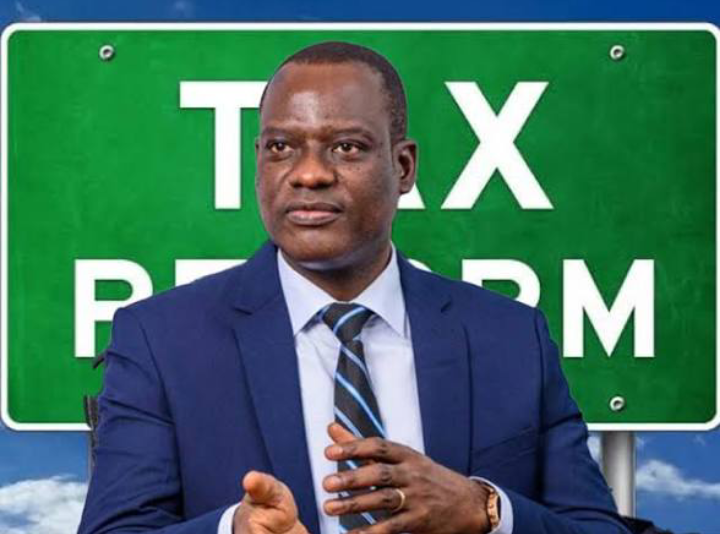
Taiwo Oyedele Admits Errors in New Tax Laws, Says Corrections Underway
Taiwo Oyedele, minister of state for finance, has acknowledged errors in Nigeria’s recently introduced tax reform laws, assuring the public that corrective measures are already in progress.
Oyedele addressed concerns over reported discrepancies during a fireside chat at the 2026 annual conference of the Nigerian Bar Association (NBA) Section on Legal Practice. The event, themed “From Policy to Practice: Making Sense of Nigeria’s New Tax Reforms,” brought together stakeholders to examine the implications of the new laws.
The concerns date back to December 17, 2025, when Abdussamad Dasuki, a member of the House of Representatives from Sokoto, alleged that the gazetted tax laws available to the public differed from those passed by the National Assembly. In response, the House constituted a seven-member panel to investigate the discrepancies.
Speaking on the issue, Oyedele explained that the errors stemmed from manual processes and the multiple stages involved in legislative review. He noted that a proposed finance bill is being prepared to address and correct the identified issues.
“What we need is a more transparent and reliable legislative process where every version of a law is publicly available,” he said.
The minister reassured Nigerians that enforcement of the new tax laws would not be arbitrary, emphasizing that the reforms are grounded in transparency, fairness, and clear policy intent. He also stressed the importance of understanding the reasoning behind tax policies, noting that intent should guide both interpretation and implementation.
Oyedele highlighted longstanding inconsistencies in Nigeria’s tax system, particularly the imbalance between personal and corporate tax burdens, which he said has discouraged business formalisation. According to him, the new reforms aim to promote compliance, ensure consistency, and reduce discretion in tax administration.
Reflecting on past challenges, he pointed to policy instability—such as sudden proposals to increase taxes on gas companies—as a factor that has deterred foreign investment.
“If policies can change overnight, it sends the wrong signal to investors. Consistency is critical,” he said.
On inclusivity, Oyedele stated that the new framework is designed to protect low-income earners and small businesses. He noted that individuals earning around ₦1 million annually, as well as many small businesses, have limited capacity to bear heavy tax burdens.
“Nearly half of working Nigerians earn less than ₦70,000 monthly. Taxing them aggressively would be unjust,” he said.
He added that the reforms eliminate minimum tax requirements for loss-making businesses, describing such practices as effectively taxing capital rather than profit.
While acknowledging improvements in revenue utilisation, Oyedele called for greater efficiency in tax collection, noting that Nigeria still lags behind countries like South Africa in this regard.