


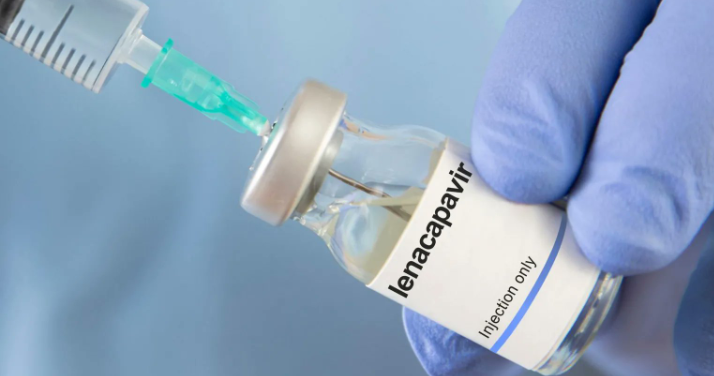
Nigeria Receives 11,520 Doses of Groundbreaking HIV Prevention Injection
Nigeria has taken delivery of 11,520 doses of lenacapavir, a long-acting injectable drug for HIV prevention.
The federal government officially received the consignment on Wednesday at the Federal Central Stores in Oshodi, Lagos.
Speaking at the event, Mohammed Patiko, Head of Procurement and Supply Chain Management at the National AIDS and STIs Control Programme (NASCP), said the shipment is part of a larger consignment of 52,000 doses expected in three batches under a Global Fund-supported initiative.
Nigeria is among nine countries selected globally for the early rollout of the innovative injection.
“We are here to receive the first tranche of a total of 52,000 doses of lenacapavir, donated by the Global Fund to Nigeria as one of the nine participating countries,” Patiko said.
“This is a preventive intervention aimed at reducing new HIV infections. The first batch of 11,520 doses has arrived, while subsequent deliveries are expected in May and October.”
Patiko noted that the target groups include serodiscordant couples, individuals at high risk of HIV infection, and key populations such as men who have sex with men (MSM), female sex workers (FSW), and transgender persons.
He added that, under the National HIV Programme pilot, the injection will be provided free of charge to enrolled individuals at designated health facilities across eight pilot states.
“These states include Kwara, Gombe, Ebonyi, Anambra, the Federal Capital Territory (FCT), Akwa Ibom, Cross River, and Benue. The drug will be available at selected secondary health facilities in these locations,” he said.
Distribution to the designated facilities is expected to begin next week using existing logistics systems.
Also speaking, Oladipupo Fisher, Lagos State AIDS Programme Coordinator, said the introduction of lenacapavir strengthens Nigeria’s comprehensive HIV prevention strategy.
“Nigeria is on track to eliminate HIV/AIDS by 2030. Preventive innovations like this are critical to achieving global targets,” Fisher said.
“They will help reduce new infections and support efforts to control the epidemic. For those already living with HIV, treatment lowers viral load and reduces the risk of transmission. Expanding testing and treatment enrolment remains essential to reducing both new and existing cases.”