


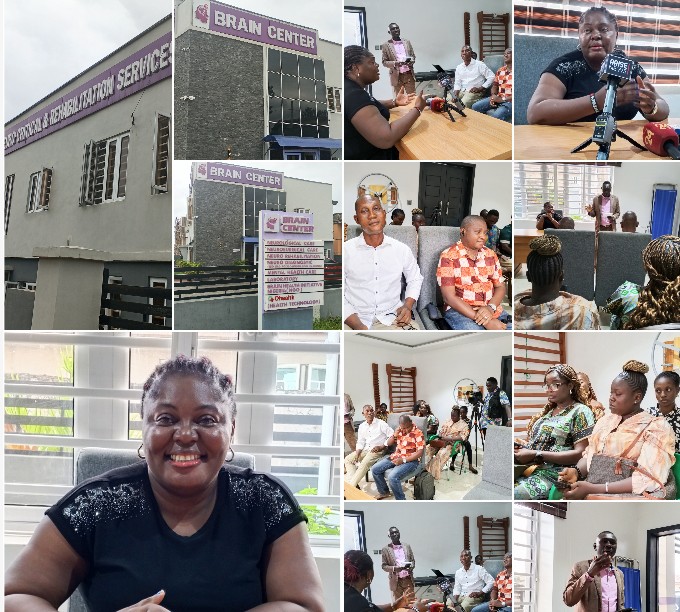
Dr. Temitope Farombi Highlights Brain Centre’s Success After Treating Over 500 Neurological Cases, Promises Greater Service to Humanity
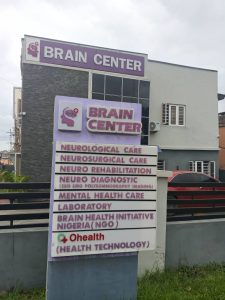
The Brain Centre, Ibadan, has recorded another success with the treatment of more than 500 neurological and mental health cases within its first 19 months of operation, marking a significant milestone in its efforts to provide specialised brain, neurocritical and rehabilitation services in Oyo State.
The founder of the Brain Centre and consultant neurologist at the University College Hospital (UCH), Ibadan, Dr. Temitope Farombi, disclosed this while addressing journalists at the centre’s headquarters in Ibadan.
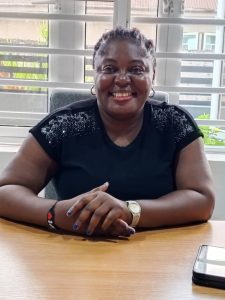
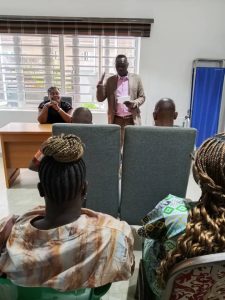
Farombi said the centre had continued to expand its services since it was commissioned, with the goal of reaching more people in need of specialised neurological and mental healthcare.
She said the number of cases handled by the centre within the period demonstrated the growing need for accessible and specialised care for people living with neurological and mental health conditions.
According to her, the Brain Centre has kept detailed statistics of patients treated and their outcomes, adding that the facility would continue to strengthen its services, expand its reach and provide greater service to humanity.
“Since the Brain Centre was commissioned, we have treated more than 500 neurological and mental health cases. This is an achievement that encourages us to do more because our goal is to continue expanding our services and reaching more people who need specialised care,” she said.
Farombi added that the centre was not only focused on treating patients but also on improving the quality and accessibility of specialised neurological services in the state and beyond.
“Our vision is to continue to expand and ensure that people who require neurological and rehabilitation services can access the care they need without unnecessary delays,” she said.
She disclosed that OHealth is already partnering with UCH, Ibadan, to provide telemedicine services and electronic health records, describing the development as another step towards improving healthcare delivery.
Farombi said the partnership would help improve access to specialist consultations, strengthen continuity of care and make it easier for patients to receive appropriate medical attention, particularly where physical access to specialists may be difficult.

“This partnership will allow us to leverage technology to improve access to healthcare. Telemedicine can help patients connect with specialists, while electronic health records can improve the way patients’ information is managed and their care followed up,” she said.
The consultant neurologist, however, used the occasion to caution Nigerians against ignoring symptoms that could indicate serious underlying health conditions.
She specifically warned that anyone who develops an ulcer for the first time in their 50s should undergo further medical evaluation, noting that the symptom could sometimes be associated with cancer or another potentially serious condition.
“Anyone who develops an ulcer for the first time in their 50s should not simply assume that it is ordinary ulcer. Such a person needs further evaluation because it could be a symptom of cancer or another serious condition,” Farombi said.

She cited the case of popular Nollywood actor, Taiwo Hassan, who, according to her, was initially being treated for ulcer before it was later discovered that he had cancer.
Farombi noted that by the time the cancer was detected, it had reportedly progressed to the fourth stage, stressing that early detection and proper medical investigation could make a significant difference in the management of serious illnesses.
She also cautioned Nigerians against habits that could increase their risk of cancer and urged people with a family history of the disease to undergo regular medical check-ups.
“If there is a family history of cancer, people should not wait until they develop symptoms before going for checks. Regular medical evaluation is important because early detection gives people a better opportunity to receive appropriate treatment,” she said.
Farombi further urged Nigerians to pay greater attention to their stress levels, particularly amid the prevailing economic hardship, warning that prolonged or chronic stress could negatively affect the brain and overall wellbeing.
She said the pressures associated with economic difficulties, work and other challenges could take a toll on people’s physical and mental wellbeing if not properly managed.

“We need to watch our stress levels. Chronic stress can fire back on the brain and affect its normal functioning. People need to find healthy ways of managing stress and should not hesitate to seek professional help when necessary,” she said.
Farombi stressed that greater awareness, preventive healthcare and early medical intervention remained essential to reducing the impact of neurological and other serious health conditions in society.
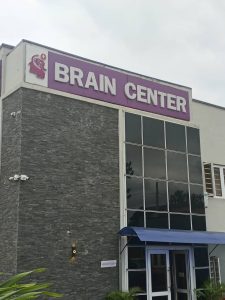
The Brain Centre, which provides neurocritical and rehabilitation services, is located at 3 Ayo Adesina Avenue, Holy Trinity Grammar School Area, Old Ife Road, Ibadan, Oyo State.