


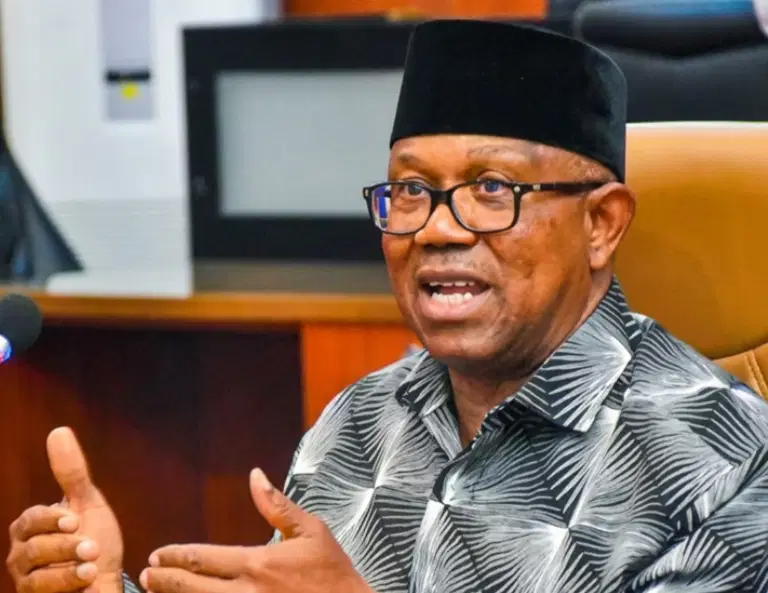
Today, Nigeria is the worst place to be born — Peter Obi
Presidential candidate of the Nigerian Democratic Congress (NDC), Peter Obi, has described Nigeria as “the worst place to be born,” accusing the All Progressives Congress (APC) government of failing to reverse worsening poverty, insecurity, unemployment and hunger in the country.
Obi made the declaration in his Independence Day message on Thursday as Nigeria marked its 66th Independence Anniversary, saying the country continued to face deepening challenges across critical sectors despite the promises made by the APC government in 2023.
“Despite the promises made by the APC government in 2023, our nation continues to face deepening challenges across virtually every critical sector of national life,” Obi said.
He claimed that more than 140 million Nigerians were living in poverty and hardship, while the country also had more than 80 million out-of-school children. He further described Nigeria as one of the countries facing serious insecurity, citing banditry and kidnapping.
The former Anambra State governor also referenced the recent deaths of 37 young people and expressed concern over the level of hunger in the country, as well as Nigeria’s infant and maternal mortality rates.
“Recently, we lost 37 young people in their productive age. Where millions struggle for hunger, we are now one of the hungriest countries in the world,” Obi said, adding that food organisations had projected that 40 million Nigerians could face extreme hunger by the end of the year.
He also expressed concern over the country’s infant and maternal mortality rates, describing them as among the worst globally.
Obi said the prevailing situation had made life increasingly difficult for young Nigerians, particularly amid high unemployment and drug abuse.
“Today, Nigeria is the worst place to be born. Our youth unemployment is the highest; over 35 million youths are unemployed, and we have one of the worst drug prevalences globally,” he said.
His assessment came hours after President Bola Tinubu, in his Independence Day address, said Nigeria had moved beyond the difficult phase of economic reforms and was entering an “age of prosperity.”
“The emergency treatment is over. The foundation has been repaired,” Tinubu said, adding that the country’s economic task had shifted towards achieving “shared and widespread prosperity.”
The President also declared that “Nigeria has corrected its course” and said the country had passed through its own “Red Sea,” urging Nigerians not to look back.
The contrasting positions came as Nigerians marked 66 years of independence, with economic conditions, insecurity, unemployment and the impact of government reforms remaining key issues in the national conversation.