


Education: Over #140 Billion UBEC Funds Disbursed to States__ Federal Government
The federal government has announced that more than ₦140 billion in Universal Basic Education Commission (UBEC) grants has been accessed and disbursed to state governments since the beginning of the current administration.
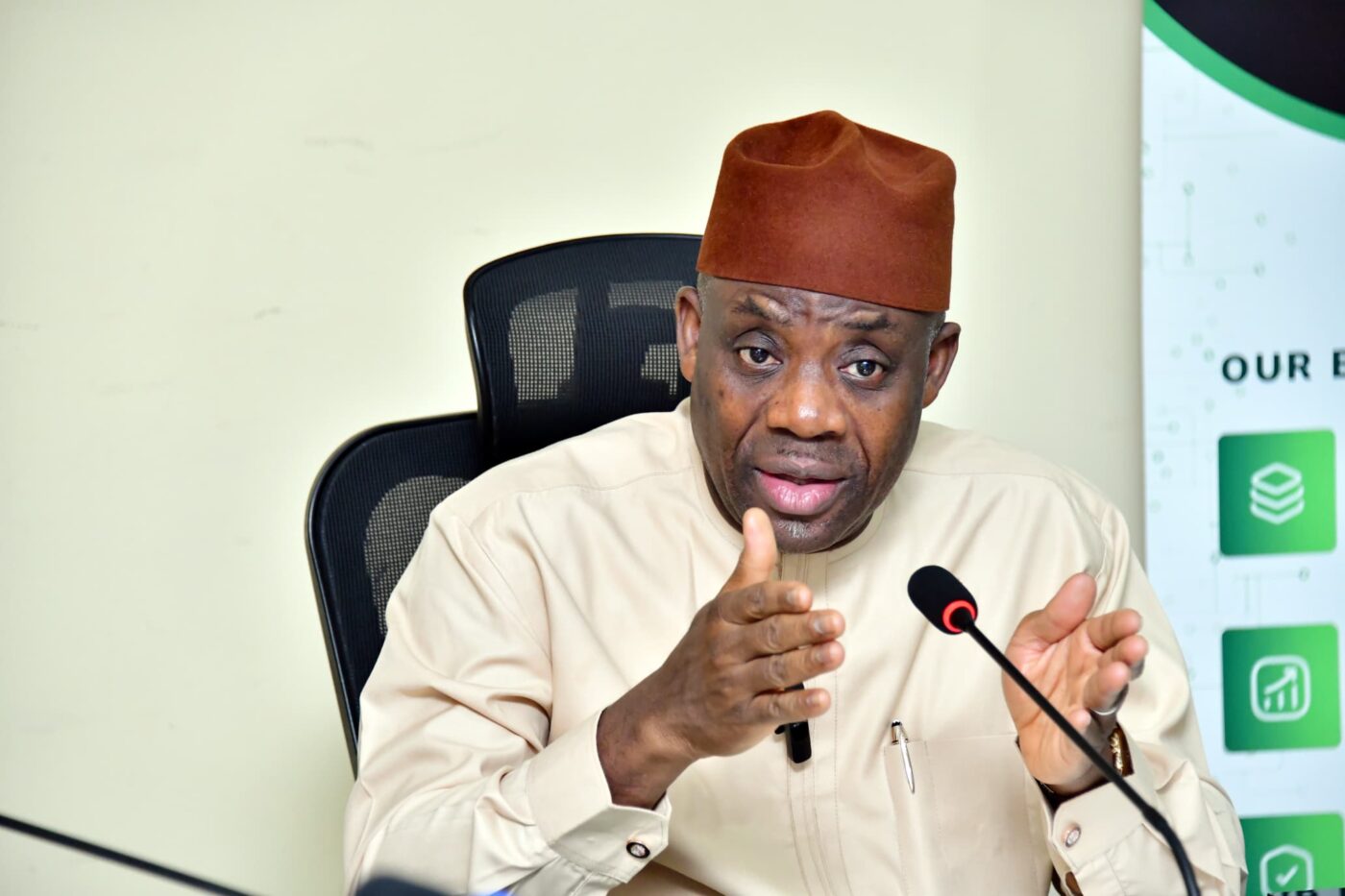
Tunji Alausa, minister of education, disclosed this on Tuesday while hosting a CEO breakfast meeting with private sector leaders and development partners under the Global Partnership for Education (GPE) in Lagos.
UBEC, which oversees Nigeria’s basic education programme, is funded through two percent of the Consolidated Revenue Fund.
However, a significant portion of these funds has historically remained underutilised, largely due to the inability of some states to provide the required counterpart funding needed to access the grants.
This has contributed to persistent funding challenges affecting the quality of education in public schools across the country.
Speaking at the event, Aisha Garba, executive secretary of UBEC, highlighted key challenges facing the sector, including poverty, inadequate infrastructure, and gaps in teaching quality particularly in rural communities.
“Poverty-driven dropouts, poor infrastructure, and gaps in teaching quality continue to limit learning, especially in rural areas,” she said.
“To unlock Nigeria’s full potential, we must expand access for out-of-school children, strengthen teacher capacity, invest in basic school infrastructure, and adopt data-driven, needs-based planning.”
Addressing concerns about funding, Alausa revealed that the current administration has significantly improved access to UBEC funds.
“Before we assumed office, nearly ₦240 billion in matching grants remained un-accessed.
Today, through improved collaboration, over ₦140 billion has been accessed and deployed by states,” he said.
According to the minister, the funds are being utilised to construct classrooms, provide furniture, and improve sanitation facilities in schools nationwide.
To further strengthen funding for basic education, Alausa disclosed that a bill has been submitted to the National Assembly to increase UBEC’s funding allocation from two percent to four percent of the Consolidated Revenue Fund.
“We have a bill before the National Assembly to increase UBEC funding from two percent to four percent. This will significantly boost foundational education,” he said.
The minister also highlighted the introduction of a nationwide digital platform designed to track students throughout their educational journey.
The initiative aims to improve planning, enhance accountability, and reduce dropout rates.
“For the first time in our country’s history, we now have a digital platform that tracks every child from primary school through their educational journey,” he added.
“We can now identify where these children are, understand why they drop out, and intervene appropriately.”
He described the platform as a transformative step toward data-driven policymaking in the education sector.
Additionally, Alausa revealed that the government is taking steps to access a $500 million fund from the Global Partnership for Education to accelerate key education reforms.
He noted that the GPE aims to raise $11.5 billion to support learning across 80 countries, presenting Nigeria with an opportunity to secure additional funding to strengthen its education system.