
China Supply Iran Ammunition Against U.S–Israel, Tehran Urges Citizens to Leave UAE, Kuwait, Qatar, Bahrain & Jordan As Blood Will Flow
The Middle East is facing a sharp escalation in tensions after the government of Iran called on its citizens to leave several neighboring countries, warning of mounting instability across the region.
Iranian authorities have advised nationals residing in the United Arab Emirates, Kuwait, Qatar, Bahrain, and Jordan to consider returning home as fears grow that the situation could rapidly deteriorate.
The announcement comes amid heightened speculation that the United States and Israel may be preparing for potential military action against Iran.
While no formal declaration has been made, regional observers note an increase in rhetoric and military positioning that has fueled concerns of a broader confrontation.
Tehran’s evacuation advisory is widely interpreted as a precautionary measure in anticipation of possible conflict.
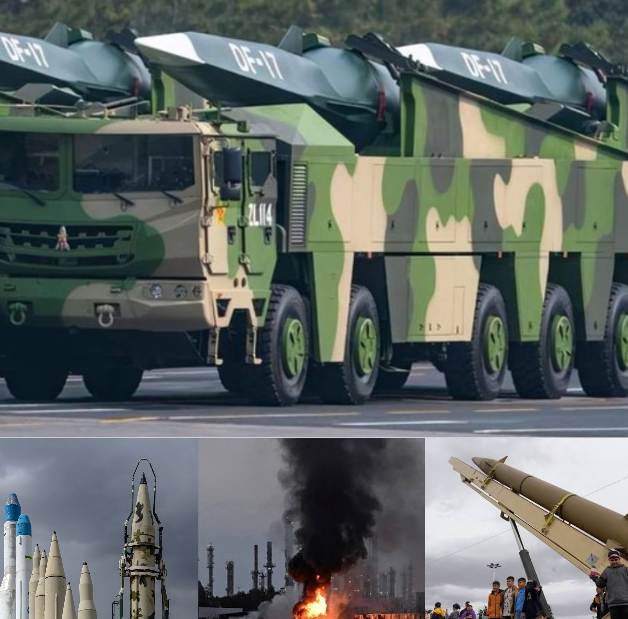
Compounding the situation are reports that China has begun supplying Iran with a range of offensive and defensive weapons systems.
According to a report by Middle East Eye, the deliveries allegedly include advanced anti-ship missiles, so-called “kamikaze” drones, hypersonic missile technology, and reinforced air defense platforms aimed at strengthening Iran’s deterrence capabilities.
Among the air defense systems reportedly included are the HQ-16 and HQ-17AE batteries, both developed by China to counter aerial threats.
In addition, discussions are said to be underway regarding Iran’s potential purchase of the DF-17 hypersonic glide missile, a system known for its enhanced maneuverability and ability to evade conventional air defense networks.
Sources suggest that Beijing has also informed certain Arab states in general terms about the arms transfers.
Analysts interpret this move as a strategic signal designed to discourage a U.S. or Israeli strike, while demonstrating China’s readiness to support Tehran in the event of hostilities.
The development underscores Beijing’s expanding footprint in Middle Eastern security affairs.
The unfolding situation places Gulf nations in a delicate position as tensions between global powers intensify. Diplomatic channels remain active, but the rapid pace of military signaling has heightened fears of miscalculation.
With evacuation advisories issued and alliances hardening, the region once again stands at a critical juncture where the next move by any major actor could significantly reshape the geopolitical landscape.
China Supply Iran Ammunition Against U.S–Israel, Tehran Urges Citizens to Leave UAE, Kuwait, Qatar, Bahrain & Jordan As Blood Will Flow

Byadmin
Feb 28, 2026