
Lagos Government Approves Transporters’ Request to Increase Fares on Passengers, Okays Implementation From March 2, 2026
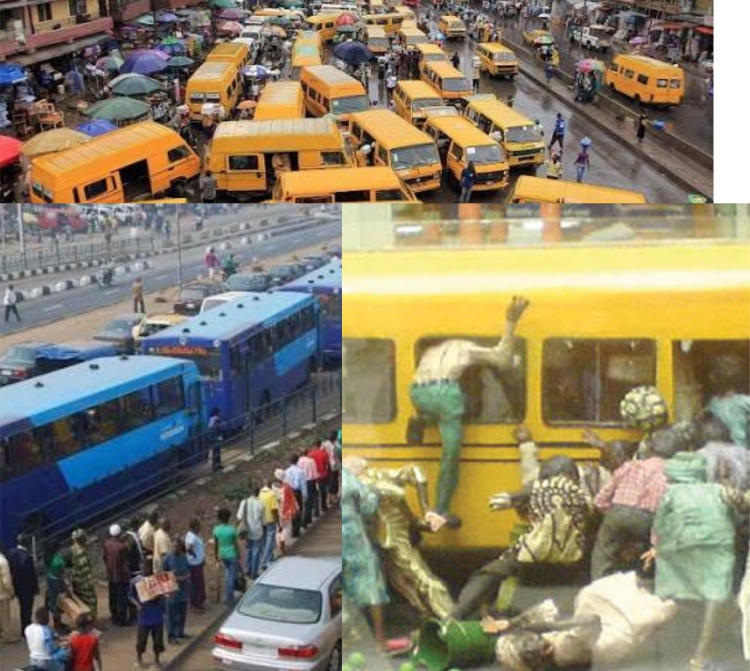
The morning rush in Lagos is never gentle. From the crowded terminals in Oshodi to the long BRT lanes stretching toward Ikorodu, commuters move with a kind of practiced urgency chasing time, opportunity, and survival in Nigeria’s commercial capital.
On Monday, March 2, 2026, that daily hustle will become a little more expensive.
The Lagos State Government has approved a 13 percent increase in fares across all Bus Reform Initiative (BRI) schemes, covering both Bus Rapid Transit (BRT) and standard routes.
The decision, sanctioned by Governor Babajide Sanwo-Olu after appeals from public transport operators, has sparked a familiar debate: who should bear the weight of an economy under pressure?
According to state officials, the increase is not arbitrary. It follows months of mounting complaints from regulated bus operators who say the cost of keeping their fleets running has surged beyond sustainable levels.
Inflation, which reportedly closed 2025 at 15.2 percent based on National Bureau of Statistics data, has driven up everything from spare parts to fuel and vehicle maintenance.
Add to that the newly implemented national minimum wage structure, and operators argue that wage bills have risen sharply.
For Bus Operating Companies (BOCs), the numbers tell a harsh story. Engines break down more often on aging roads. Imported spare parts cost more due to currency pressures.
Mechanics, drivers, and ticketing staff expect better pay as living costs rise. “We can’t maintain service quality if we can’t cover operational costs,” one operator said privately.
State officials insist the fare review aligns with the previously approved annual fare review mechanism. In their view, the 13 percent adjustment is meant to cushion the impact of sustained economic challenges while ensuring buses remain safe, reliable, and efficient.
They also point to investments in new, cleaner, and more fuel-efficient buses as part of a broader effort to improve passenger comfort and promote environmental sustainability. Modern fleets, they argue, come at a price one that must be shared between government, operators, and commuters.
But for many Lagos residents, especially students, low-income workers, and small business owners, the announcement feels less like policy and more like pressure.
A daily commute that already consumes a significant portion of income will now stretch budgets further. In a city where millions rely on public transport to earn a living, even a modest percentage increase can ripple through household finances.
On social media and at bus stops, reactions are mixed. Some commuters acknowledge the realities of inflation and rising costs. Others question whether fare hikes are becoming the default solution to systemic economic strain.
The government has reassured residents of its commitment to balancing affordability with operational sustainability. Yet the tension remains clear: in a city built on movement, every extra naira counts.
As Lagos continues to grow and modernize, the question lingers can a transport system survive inflation without passing the burden to the very people it exists to serve?
On March 2, commuters will step onto buses as they always do. Only this time, the fare and perhaps the debate will be slightly higher.
Lagos Government Approves Transporters’ Request to Increase Fares on Passengers, Okays Implementation From March 2, 2026

Byadmin
Feb 24, 2026