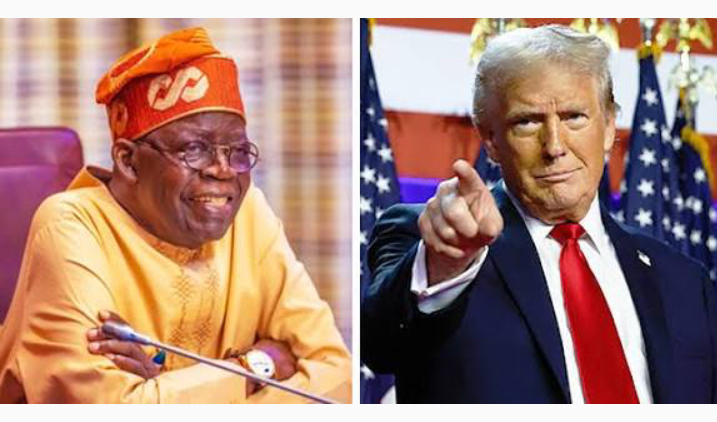

FG Responds to U.S. Congressional Report to President Trump, Reaffirms No Policy of Religious Persecution in Nigeria
The Federal Government of Nigeria has taken note of the recent joint report by the United States House Foreign Affairs Committee and the House Appropriations Committee, submitted to the White House, concerning insecurity and allegations of religious persecution in Nigeria.
While Nigeria respects the oversight responsibilities of the United States Congress and values the longstanding partnership between our two nations, it is important to clarify that Nigeria does not have, and has never had, a state policy of religious persecution against any group.
The security challenges confronting parts of the country—including terrorism, banditry, kidnapping, and communal clashes—are complex and multifaceted. These criminal activities affect Nigerians of all faiths and ethnic backgrounds. The suggestion that the violence is driven by deliberate government policy or religious bias does not accurately reflect the realities on the ground.
The Constitution of the Federal Republic of Nigeria expressly guarantees freedom of religion and freedom of worship. The Federal Government remains fully committed to protecting these constitutional rights and ensuring equal protection under the law for every citizen, without discrimination.
The violence being addressed by our security and law enforcement agencies stems from longstanding communal tensions, competition over resources, organised criminality, and terrorist activities—particularly by armed groups whose actions are criminal and not representative of any faith or legitimate grievance. These threats require sustained security, intelligence, and community-based responses, not mischaracterisation.
The Federal Government has significantly intensified coordinated military and law enforcement operations across affected regions. Counter-terrorism campaigns have disrupted armed networks, reduced the operational capacity of violent groups, and led to the arrest and neutralisation of key perpetrators. Surveillance and clearance operations in forested and border areas have been strengthened, alongside enhanced intelligence sharing and inter-agency collaboration.
In addition, specially trained forest guards are being deployed to deny criminal elements safe havens and to improve territorial control. Investments in mobility assets, modern equipment, and technology continue to support the Armed Forces and other security agencies in safeguarding lives and property.
Beyond security measures, the government is expanding humanitarian assistance to internally displaced persons, facilitating the safe return of affected communities, and promoting dialogue-driven peacebuilding initiatives aimed at fostering sustainable coexistence among diverse communities.
Nigeria remains open to constructive engagement with the United States and other international partners. We welcome cooperation grounded in mutual respect, accurate understanding of the situation, and recognition of Nigeria’s sovereignty and constitutional order.
The Federal Government reiterates its unwavering commitment to protecting all Nigerians—Christians, Muslims, and people of other faiths alike—and to confronting criminality in all its forms with fairness, resolve, and without prejudice.
Mohammed Idris, fnipr
Honourable Minister of Information and National Orientation
Tuesday, February 24, 2026
FG Responds to U.S. Congressional Report to President Trump, Reaffirms No Policy of Religious Persecution in Nigeria

Byadmin
Feb 24, 2026