


US to Withdraw 200 Troops From Nigeria as Counterterrorism Mission Winds Down
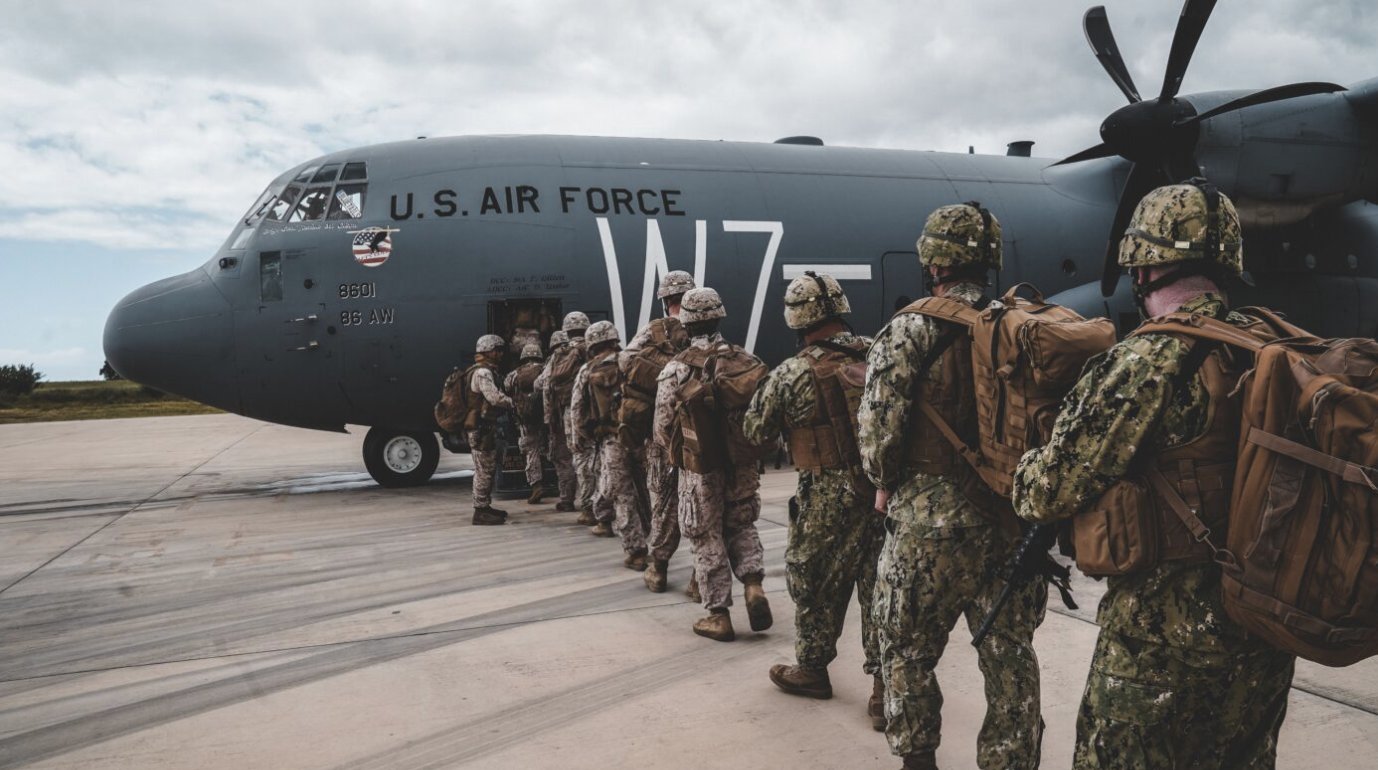
The Pentagon is preparing to withdraw about 200 US troops deployed to Nigeria this year to support the country’s fight against Islamist militants, according to a report by The New York Times.
American and Nigerian officials told the publication that although the deployment was relatively small, it produced significant results in the joint counterterrorism effort.
The report said small teams of US military trainers and intelligence analysts are expected to remain in Nigeria after the larger contingent leaves by late September.
According to The New York Times, American officials described the deployment as a model for future US military operations in Africa, particularly in the area of counterterrorism cooperation.
Last month, Dagvin Anderson, commander of the United States Africa Command (AFRICOM), announced that the US had withdrawn a significant number of its troops from Nigeria following a May operation that killed Abu-Bilal al-Minuki, identified as the second-in-command of ISIS, in the Lake Chad Basin.
Anderson said the operation had significantly degraded the leadership of ISIS both in Nigeria and globally.
He added that Nigeria had remained “very active” since the operation, working to prevent terrorist groups from becoming self-sufficient.
The AFRICOM commander also said the United States would maintain its intelligence partnership with Nigeria despite the reduction in the number of troops deployed to the country.
The development comes weeks after Nigeria and the United States held their second round of talks in Washington under a joint working group established to address the protection of Christian communities in Nigeria’s Middle Belt.
The working group was formed following US President Donald Trump’s designation of Nigeria as a “country of particular concern” over allegations of Christian genocide. The allegations subsequently prompted increased US military engagement with Nigeria.
However, insecurity has continued to pose a major challenge across the country.
Nigeria has rejected the suggestion that the violence is driven by a single cause, maintaining that the security crisis is multifaceted.
Ladd Serwat, Africa senior analyst at the Armed Conflict Location & Event Data (ACLED), previously told TheCable that Islamist militant groups account for only a small proportion of the overall violence recorded in Nigeria.
The country’s security challenges include terrorism spilling over from neighbouring Sahelian countries, banditry in the North West, attacks by Islamist militant groups including ISWAP, ISIS and Boko Haram, farmer herder clashes, as well as activities by cult groups and militias.
Serwat described the situation as “a very complicated security situation.”