


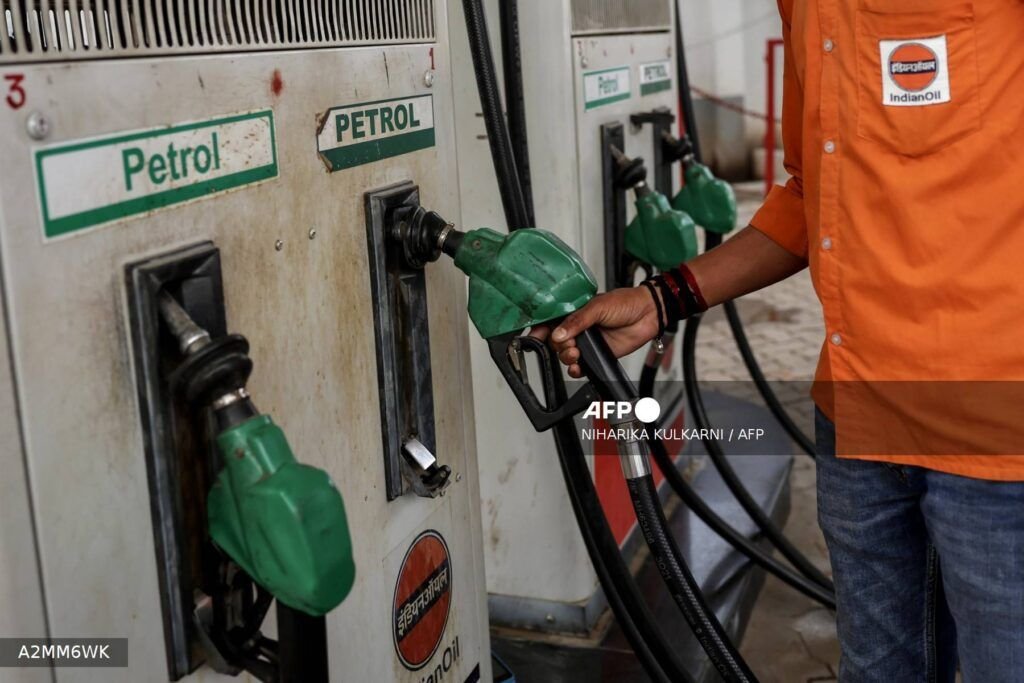
Petrol Price Rises 643% in Three Years as Subsidy Removal, Naira Devaluation Bite Hard
The price of Premium Motor Spirit (PMS), popularly known as petrol, has surged by approximately 643 per cent in the last three years, rising from N175 per litre in May 2023 to about N1,300 per litre in May 2026.
The dramatic increase followed the removal of fuel subsidy by President Bola Ahmed Tinubu immediately after assuming office on May 29, 2023. The decision, coupled with the devaluation of the naira and subsequent global oil market disruptions, has significantly increased the cost of fuel and worsened the economic burden on Nigerians.
Before the subsidy removal, petrol sold for between N175 and N200 per litre. However, shortly after the President announced that “fuel subsidy is gone” during his inauguration speech, pump prices rose sharply to over N500 per litre, with the Nigerian National Petroleum Company Limited (NNPCL), then the sole importer of petrol, leading the adjustment.
The situation was further aggravated by the floating of the naira in June 2023, which caused the exchange rate to weaken significantly and pushed the landing cost of imported petroleum products higher. Petrol prices subsequently climbed above N1,000 per litre in several parts of the country.
Despite publicly denying subsidy payments at the time, the NNPCL later admitted it had been selling petrol below its actual landing cost through what was described as an “under-recovery” arrangement. The International Monetary Fund had earlier referred to the practice as an implicit subsidy.
Former NNPCL Chief Financial Officer, Umar Ajiya, explained that for several years the government directed the corporation to sell imported petrol at prices significantly below cost, with the difference recorded as a shortfall.
Fuel prices climbed further in 2024, reaching about N1,080 per litre before easing somewhat following the commencement of petrol production by the Dangote Petroleum Refinery. The refinery’s entry into the market triggered intense competition among marketers, leading to a temporary reduction in prices, which hovered between N800 and N900 per litre.
However, the gains proved short-lived. Renewed tensions in the Middle East and disruptions in global crude oil supply routes, particularly around the Strait of Hormuz, pushed international oil prices higher. As a result, the Dangote refinery repeatedly adjusted its ex-depot prices upward, forcing retail pump prices to rise to between N1,300 and N1,400 per litre nationwide.
The latest increase has sparked fresh concerns over inflation, transportation costs and the prices of essential goods and services. Many Nigerians have complained about the worsening cost of living, as businesses continue to pass higher energy costs on to consumers.
To cushion the impact, the Federal Government launched the Presidential Compressed Natural Gas (CNG) Initiative aimed at promoting cheaper alternatives to petrol and diesel. However, analysts argue that adoption remains limited and has yet to produce any significant reduction in transportation costs or overall living expenses.
Energy economists have urged the government to introduce targeted social intervention programmes to support vulnerable households. A former President of the Association of Energy Economists, Prof. Adeola Adenikinju, described the situation as a “double-edged sword,” noting that while Nigeria may benefit from increased crude oil revenues, citizens are facing severe economic hardship due to rising fuel prices.
According to him, higher petrol costs have triggered increases in transportation fares and general inflation, putting additional pressure on low-income earners. He advocated direct cash transfers and broader support measures to mitigate the impact on the most vulnerable segments of society.
Similarly, the National President of the Petroleum Products Retail Outlet Owners Association of Nigeria (PETROAN), Billy Gillis-Harry, expressed concern over the government’s silence on rising fuel prices. He urged authorities to channel part of the additional revenue generated from higher crude oil prices into programmes that would reduce transportation costs and food prices.
Gillis-Harry also warned that petrol prices could exceed N1,500 per litre if tensions in the Middle East persist and global oil markets remain unstable.
Economic analyst Bismarck Rewane suggested that the Federal Government could consider selling crude oil to the Dangote refinery at a stable and agreed price, provided there are guarantees that the cost of refined petroleum products would remain affordable for consumers.
Despite mounting public pressure, the Federal Government has ruled out any return to fuel subsidies or the introduction of price controls. The Minister of Finance and Coordinating Minister of the Economy, Taiwo Oyedele, recently reiterated that Nigeria would continue to operate a market-driven pricing regime.
According to him, fuel subsidy removal remains irreversible because of its distortive impact on the economy, while price controls would undermine market efficiency and discourage investment in the petroleum sector.
As petrol prices continue their upward trajectory, millions of Nigerians remain hopeful that the government will introduce effective measures to ease the growing cost-of-living crisis.