


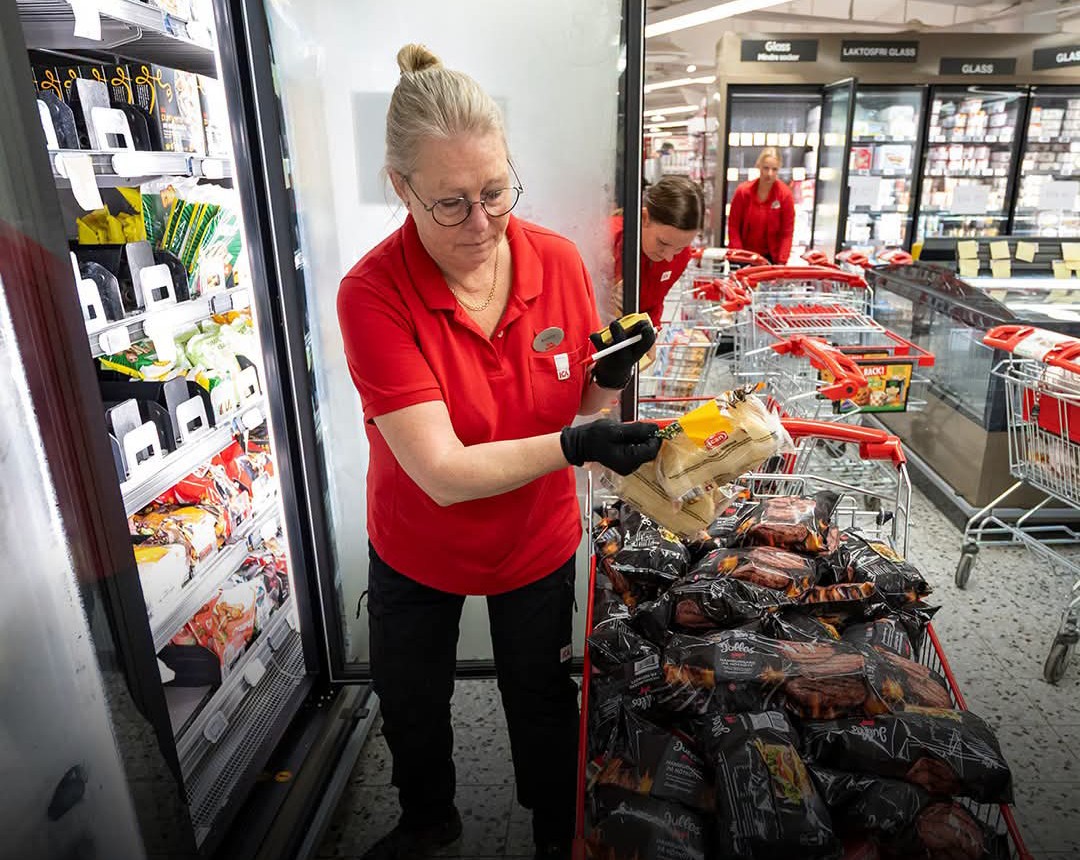
A suspected cyber-attack targeting supermarket fridges and freezers across seven European countries has raised concerns about the security of internet-connected devices, including household appliances, industrial machinery, vehicles and critical infrastructure.
The incident has renewed discussions about the vulnerabilities of smart devices that rely on internet connectivity to enable remote monitoring and control, with cybersecurity experts warning that poorly secured systems could be exploited by malicious actors.
Internet-connected devices include refrigerators, washing machines, central heating systems and other household equipment. Although such technology offers convenience by allowing users to operate appliances remotely, experts say any device connected to the internet could potentially become a target for cyber-attacks.
According to a report by the BBC, similar vulnerabilities have been identified in the past. In 2015, researchers demonstrated how a security flaw in a Samsung smart refrigerator could allow hackers to intercept internet traffic.
However, there is no evidence that domestic appliances are being targeted in the recent attacks on supermarkets.
Ciaran Martin, former Chief Executive of the United Kingdom’s National Cyber Security Centre (NCSC), said manufacturers needed to do more to ensure that internet-connected products were secure from the point of production.
He advised consumers to regularly update their devices and activate multi-factor authentication wherever available. Since April 2024, UK regulations have required manufacturers of certain consumer smart devices to meet minimum cybersecurity standards, including password protection and security updates.
The NCSC said it was working with international partners and industry stakeholders to understand the supermarket incidents, although it was not aware of any impact on the United Kingdom.
However, researchers from UK Cyber Defence identified more than 800 refrigeration and building-control interfaces associated with British retailers that were accessible through the public internet. While public accessibility does not automatically mean such systems can be hacked, experts warned that weak passwords and software vulnerabilities could expose them to attacks.
Cybersecurity experts also warned that the risks extend beyond supermarkets to vehicles, electricity networks, water supplies and industrial facilities. Ken Munro, a cybersecurity expert, recalled a 2015 demonstration in which researchers remotely hacked a Jeep through its internet-connected entertainment system, prompting improvements in vehicle security. He also noted that although UK utilities generally maintained good security standards for remote connections, smaller operators with limited resources could remain vulnerable because of outdated equipment.
The concerns come amid previous cyber-attacks on major UK retailers, including Marks & Spencer and the Co-op in May 2025, which disrupted operations and affected the availability of fresh food deliveries, leaving some supermarket shelves empty.
Tom Hegel, a researcher at cybersecurity firm SentinelOne, stressed that retailers must establish clear responsibility for securing connected equipment, warning that attackers who gain control of refrigeration systems could manipulate temperature settings and destroy food supplies.
Another cybersecurity expert, Olivier Daloy of Zscaler, warned that any factory or infrastructure connected to the internet without adequate protection could face similar threats.