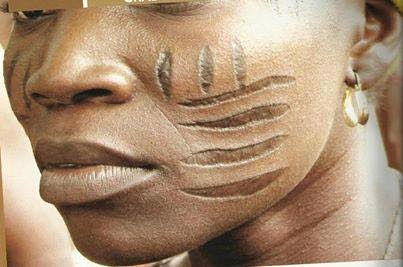

Tribal Marks Face Decline As Changing Values, Increased Awareness Reshape Yoruba Society
Tribal marks have long been part of Yoruba culture, used in some communities to identify families, lineages and places of origin.
However, with changing times and growing concerns about their physical and social implications, the practice has gradually declined, raising questions over whether it should be preserved as cultural heritage or allowed to fade away.
Historically, tribal marks served as a significant means of identification among different Yoruba communities, with distinctive patterns sometimes associated with particular families, towns or lineages.
In some communities, the marks were also regarded as symbols of heritage, identity and belonging, with the practice passed from one generation to another.
However, changing social values, increased awareness about bodily autonomy and concerns over the physical and psychological effects of facial markings have contributed to the gradual decline of the practice.
While some people see the fading tradition as a loss of an important aspect of Yoruba cultural identity, others believe that traditional practices must evolve alongside society.
Speaking with journalists, some residents of Ibadan, expressed disappointment over the continued relevance of tribal marks in contemporary Yoruba society, arguing that the practice could lead to permanent disfigurement of the faces of those subjected to it.
Others, however, appeared indifferent to the practice, noting that tribal marks should not necessarily be regarded as a cultural tradition that must be preserved, but rather as a form of identity that served a significant purpose in the past.
As modern values continue to influence traditional practices, the debate over tribal marks remains centred on the balance between cultural preservation and changing societal norms.
Tribal Marks Face Decline As Changing Values, Increased Awareness Reshape Yoruba Society

Byadmin
Sep 10, 2026