


The Transformative Influence of Hajj on Pilgrims By Adedamola Adegoke
Islam, a religion known for promoting peace and harmony globally, is founded on fundamental principles that serve as a compass for Muslims in their daily lives.
These principles guide Muslims on how to practice the religion in a manner that makes their acts of worship rewarding and acceptable to Almighty Allah.
Among these principles are faith in Allah and His Messenger, Prophet Muhammad (SAW), the observance of the five daily prayers (Salah), fasting during the month of Ramadan, giving charity (Sadaqah), and performing the Hajj pilgrimage.
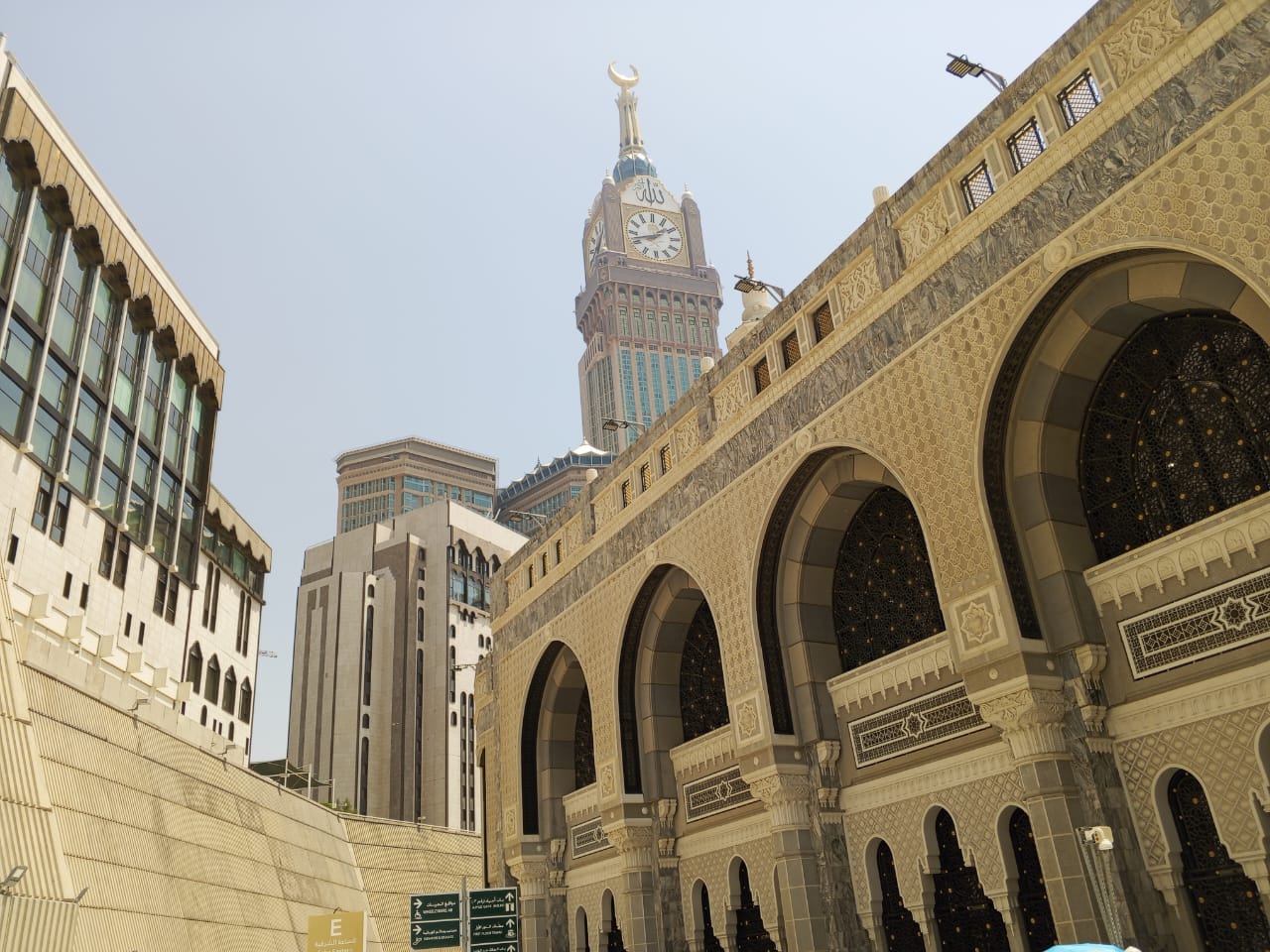
There is no doubt that Hajj pilgrimage goes beyond physical journey to the Holy city of Makkah. It is a profound spiritual experience that transforms the lives of pilgrims, drawing them closer to Allah and inspiring lasting changes in their character, faith, and relationship with others.
Hajj is obligatory (Fard) and not optional for every Muslim who meets the following prescribed conditions : attained puberty stage, be of sound mind, possesses the physical and financial ability to undertake the journey safely.
Given these conditions, Hajj remains one of the most significant acts of worship in Islam considering its profound influence on pilgrims and the numerous benefits associated with it.
One of the most remarkable impacts of Hajj is spiritual growth. During the pilgrimage, participants often become more devoted to the worship of Allah, engaging in prayers, supplications, remembrance of Allah (dhikr), and acts of charity with renewed commitment. This deep spiritual experience strengthens their faith, enhances their consciousness of Allah, and inspires them to maintain a closer relationship with Him even after returning home.
The experience also reinforces the reality that worldly status and possessions are temporary as every pilgrim receives equal treatment, particularly in Mina, Muzdalifah, and Arafah, where people from different social and economic backgrounds share similar facilities and experiences.
The wealthy often put aside their status and privileges, embracing humility and equality before Allah.
Some Islamic scholars have observed that the limited sleeping space allotted to pilgrims in Mina and Arafah serves as a reminder of the grave, reinforcing the reality that every soul shall return to Allah at an appointed time.
Spending the night in Muzdalifah and walking to Jamarat in Mina for the symbolic stoning of the devil requires physical strength and determination. Despite the challenges, pilgrims undertake these rites enthusiastically, and the physical activities involved also contribute positively to their overall well-being.
The rituals of Hajj also teach patience, perseverance, and endurance. Another memorable aspect of Hajj is the opportunity to visit historical and religious sites in Makkah and Madina. These visits create lasting memories and deepen pilgrims’ understanding of Islamic history, while also preparing them spiritually for significant rites such as the Day of Arafah.
The pilgrimage promotes companionship and mutual support. Pilgrims also assist and tolerate one another, establish contacts among themselves and keep after the pilgrimage.
As contained in a Hadith of the Prophet :
An authentic hadith of the Prophet Muhammad “Whoever performs Hajj for Allah’s sake and does not commit any obscenity or wrongdoing, will return (free from sin) as on the day his mother gave birth to him.”( Sahih al-Bukhari and Sahih Muslim).
Pilgrims who performed all the Hajj rites accordingly will have all sins forgiven.While prayers offered on Arafah are to be answered by Allah, the greatest benefit of the Hajj pilgrimage.
Preserving the feat with good deeds and total submission to the will of Allah at all times should be paramount to the pilgrims considering the energy , time and fund invested in the pilgrimage . Muslims who have the funds , hail and healthy should also consider participation in earnest.
Adedamola Adegoke Ibraheem
Public Relations Officer
Oyo State Muslim Pilgrims’ Welfare Board
Writes from Makkah