


Heatwave Claims 23 Prisoners As Rights Group Raises Alarm
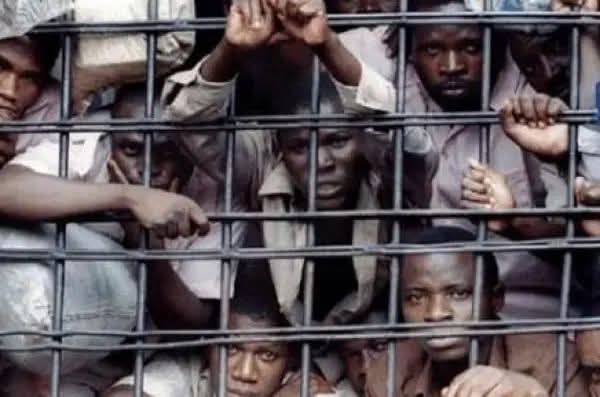
At least 23 prisoners have reportedly died in Tunisia in recent weeks amid extreme heat, according to human rights advocates who have raised concerns over harsh detention conditions worsened by overcrowding.
The Tunisian League for Human Rights (LTDH) said it documented the deaths through information obtained from doctors, lawyers and relatives of inmates who died while in detention, according to its president, Bassem Trifi.
However, Tunisian authorities have yet to release official figures on prison deaths recorded during the summer. An official said no death could be attributed to extreme heat without confirmation from forensic doctors.
Tunisia has experienced exceptionally high temperatures in recent weeks, with some areas recording temperatures above 45°C, while residents have also faced prolonged power outages and water shortages.
Among those reportedly affected was businessman Lazhar Sta, whose daughter confirmed his death, while local media reported the death of a 24-year-old student in detention.
Trifi also said a Lebanese businessman died in a Tunisian prison. A Lebanese judicial source confirmed to AFP that the man’s father had informed Lebanese authorities of his death about a week earlier.
“Conditions are already inhumane under normal circumstances, but with the heatwave and temperatures that sometimes exceed 45C in overcrowded cells, the situation becomes a threat to prisoners’ lives,” Trifi said.
Poor Detention Conditions
Tunisian prisons have long faced criticism over overcrowding, inadequate ventilation and limited access to water, allegations that the prison administration has denied.
The World Organisation Against Torture (OMCT) said it was concerned about what it described as the deterioration of detention conditions and an increase in deaths in prisons.
The organisation called for transparent and independent investigations into the reported deaths, particularly amid concerns over the absence of comprehensive official data.
Relatives of detainees have also raised concerns about prison conditions as temperatures increased during the summer, with warnings about the health of some prominent prisoners circulating widely on social media.
Among those whose health has reportedly raised concerns is Ennahdha party leader Rached Ghannouchi, 85, whose lawyers said in July that his condition was critical after reports that he fainted and suffered severe exhaustion in detention.
Also cited was 82-year-old activist Ahmed Nejib Chebbi, whose daughter expressed concern about the conditions in which he and other detainees were being held.
“I will not wait for my father and uncle to die in prison,” said Haifa Chebbi, a lawyer, referring to the detention of her father and uncle.
Her uncle, Issam Chebbi, is also being held over charges that rights groups have criticised as politically motivated.
Prison authorities said in July that all detainees were receiving medical care in accordance with regulations and that necessary measures had been taken to protect inmates during the heatwave.
Concerns Over Political Detainees
Dozens of political figures, journalists, businessmen and other prominent Tunisians have been detained since President Kais Saied’s sweeping political changes in 2021.
The OMCT urged the Tunisian authorities to take necessary measures to protect the lives of detainees and allow human rights organisations to conduct visits to prisons.
The LTDH said it had been barred from visiting prisons since November 2025, further limiting independent monitoring of detention conditions.
Concern has also grown over the health of investigative journalist Mohamed Yousfi, who was arrested last week while preparing to discuss water shortages on a radio programme.
Yousfi subsequently underwent surgery for appendicitis, while the National Syndicate of Tunisian Journalists (SNJT) alleged that members of his defence team had to interrupt an interrogation to obtain medication for him after he was reportedly in severe pain.
The daughter of jailed independent journalist Zied El Heni, another critic of President Saied, has also expressed fears over her father’s wellbeing.
“Every time I visit my father, I am afraid they will tell me he died,” his daughter, Aram El Heni, said in a video shared widely on Facebook.
“Every time I leave the prison, I tell myself it may be the last time I see him,” she added.