


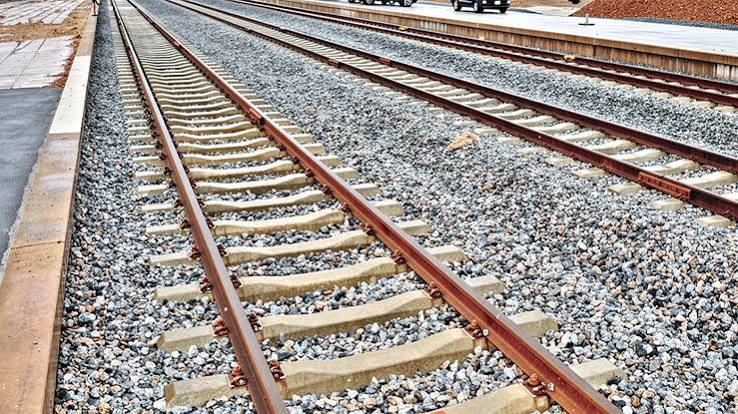
FG Plans 360km/h High-Speed Rail From Lagos to Maiduguri
The Federal Government has unveiled plans to develop a high-speed rail corridor linking Lagos with Maiduguri as part of efforts to establish an integrated and efficient national transportation network.
The Permanent Secretary, Federal Ministry of Transportation, Olufunso Adebiyi, disclosed this on Monday at the opening of the 19th National Council on Transportation in Abuja.
Adebiyi said the proposed Lagos-Maiduguri rail corridor would be designed to accommodate trains travelling at speeds of up to 360 kilometres per hour, potentially reducing travel time between major cities and providing Nigerians with a faster alternative to road transportation.
Speaking on the theme, “Developing an Effective Transport System for Nigeria: The Role of Integrated Transportation,” the permanent secretary described transportation as a major driver of economic development, stressing its importance in facilitating the movement of people, goods and services.
He described the ongoing expansion and rehabilitation of the country’s railway network as a rebirth of rail transportation in Nigeria.
According to him, completed railway corridors include the Port Harcourt-Aba, Warri-Itakpe, Lagos-Ibadan and Abuja-Kaduna routes.
Adebiyi added that construction of the Kaduna-Zaria-Kano rail line was nearing completion and was expected to commence operations by December.
He further disclosed that work was ongoing on the Kaduna-Daura-Katsina, Katsina-Jibia-Maradi and Kano-Dutse rail corridors.
Also speaking at the event, the Head of the Civil Service of the Federation, Abel Enitan, said infrastructure development alone would not be enough to build an effective transportation system.
Enitan stressed the need for strong institutions, effective regulation, reliable data, innovation and a skilled workforce to complement infrastructure investments.
He described transportation as the lifeblood of the economy and called for stronger collaboration among the Federal Government, state governments and relevant transport agencies to achieve an integrated national transport system.