


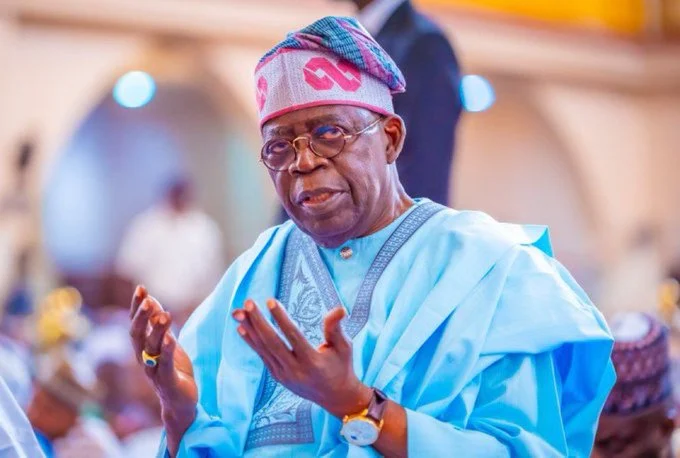
Oyo Abduction: Why We Tracked, Arrested Kidnappers’ Families – Tinubu
President Bola Tinubu on Thursday explained why the Federal Government refused to negotiate with or pay ransom to the kidnappers who abducted pupils and teachers in Oriire Local Government Area of Oyo State, saying the decision was part of a broader strategy that included tracking and arresting members of the kidnappers’ families and communities.
Speaking while receiving the Olubadan of Ibadanland, Oba Rashidi Ladoja, and other members of the Oyo State Council of Obas and Chiefs at the Presidential Villa, Abuja, Tinubu said the abductors demanded ransom and the release of members of their gang already in detention, but the Federal Government rejected the demands and instead carried out an intelligence led rescue operation that secured the victims’ freedom after 56 days in captivity.
The President said the government was determined not to negotiate with criminals, insisting that doing so would encourage further acts of terrorism and kidnapping.
“We refused to negotiate for ransom. These criminals wanted us to release from detention members of their criminal gangs that were already arrested. That was one of their conditions, outside of the money they were looking for. We said no deal. We are not going to negotiate with criminals. They committed murder, and we were ready to finish with their families, members of their own communities. They grew up somewhere,” Tinubu said.
He commended the Armed Forces for what he described as an intelligence driven operation, noting that the successful rescue was made possible because security agencies had adequate knowledge of the forest terrain where the victims were held.
According to the President, lessons learnt from the Oriire abduction informed the Federal Government’s decision to expand the Nigerian Army from eight to 12 divisions to improve response time and strengthen the fight against terrorism and banditry.
Tinubu also reiterated his administration’s commitment to establishing state police with safeguards against abuse while announcing plans to retrain and equip forest guards to play frontline roles in tackling criminal activities across the country’s forests.
He attributed Nigeria’s security challenges partly to instability in neighbouring Sahel countries, including Mali, Burkina Faso and Niger Republic, and urged traditional rulers to encourage residents to provide timely intelligence on suspicious activities within their communities.
The President further called on state governments to channel increased federal allocations into road infrastructure to improve accessibility for security agencies and promote economic development.
Earlier, the Olubadan of Ibadanland and Chairman of the Oyo State Council of Obas and Chiefs, Oba Rashidi Ladoja, said the delegation visited the President to appreciate him and the Armed Forces for securing the release of the Oriire abductees.
Ladoja also commended the Federal Government for ongoing and proposed road projects in Oyo State, including the Ibadan Ijebu Ode Road, Ogbomoso Ilorin Road and the Badagry Sokoto Highway passing through parts of the state.
The Oriire school abduction occurred on May 15, 2026, when gunmen attacked three schools in Esiele and Yawota communities, abducting about 39 pupils and seven teachers.
A mathematics teacher, Michael Oyedokun, and another teacher were killed during the incident, while the victims regained their freedom on July 10 after spending 56 days in captivity following an intelligence led rescue operation carried out without the payment of ransom.
Source: Punch