


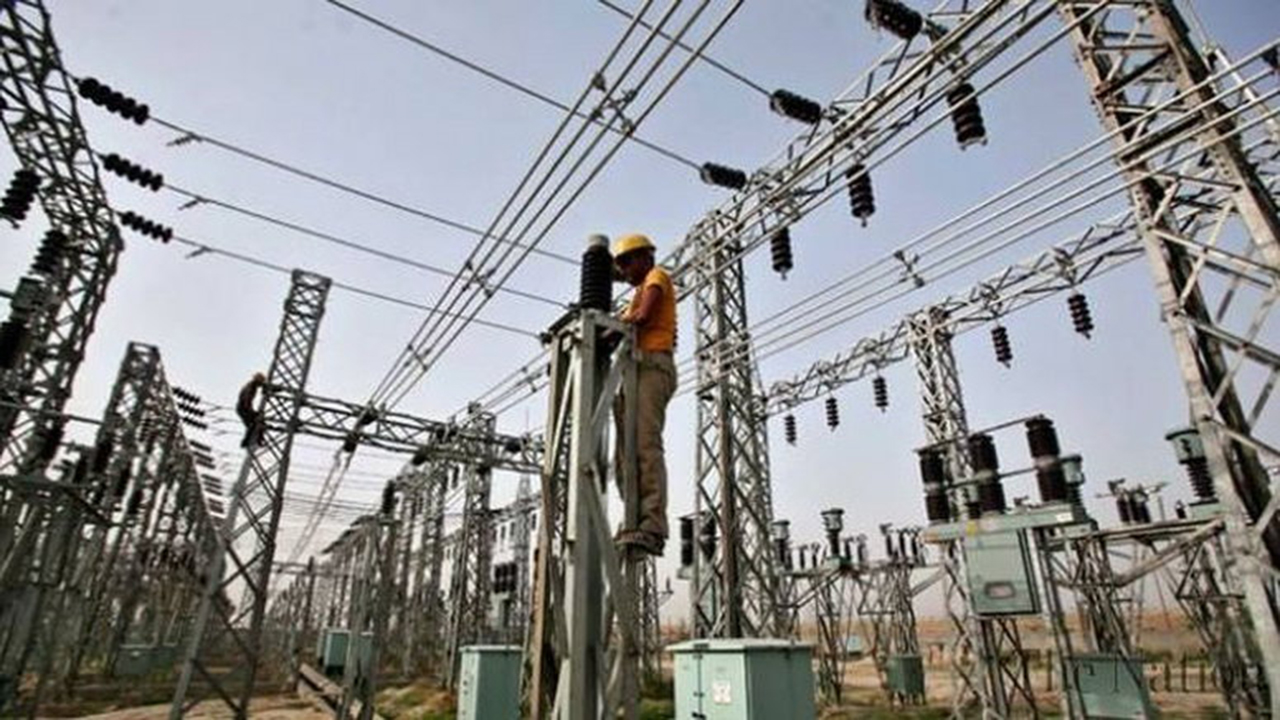
Electricity generation across Nigeria has declined due to inadequate gas supply to thermal power plants and reduced water levels at hydroelectric reservoirs, worsening the country’s power supply challenges amid intense heat.
The Nigerian Independent System Operator (NISO) disclosed this in a statement signed by its management on Thursday, explaining that the combined constraints had reduced the volume of electricity available for distribution to consumers nationwide.
The development has forced electricity distribution companies (DisCos) to reduce supply hours and increase load shedding across their networks, leaving households and businesses with fewer hours of electricity at a time when demand for cooling and other essential services is high.
According to NISO, inadequate gas supply has prevented affected thermal power stations from operating at their available generation capacity, while reduced water inflows into reservoirs have constrained electricity production from hydroelectric stations.
The statement read, “The Nigerian Independent System Operator wishes to inform the public that the current decline in electricity generation on the national grid is primarily attributed to constraints in gas supply to thermal power generating stations and reduced output from hydroelectric power stations.
“The limited availability of gas has constrained the capacity of affected thermal generating stations to operate at their available levels, while reduced water inflows into reservoirs have impacted the generation capacity of hydroelectric power stations.”
The operator explained that the combined challenges had affected the quantity of electricity allocated to distribution companies for onward supply to consumers, resulting in reduced hours of electricity and increased load shedding across different distribution networks.
It added that the extent of the impact varied depending on the volume of electricity available for generation and the corresponding allocations to individual distribution companies.
“Consequently, the reduction in available generation has affected the quantum of electricity allocated to Distribution Companies (DisCos) for onward supply to consumers, thereby resulting in reduced hours of electricity supply and increased load shedding across distribution networks, with the level of impact varying according to available generation and the corresponding allocations to individual DisCos,” the statement added.
The reduced electricity supply comes amid intense heat conditions across the country, increasing the pressure on households, businesses and public facilities that depend on electricity to operate fans, air conditioners and other cooling equipment.
Small-scale businesses are also among those likely to be affected, particularly operators who depend on electricity for refrigeration, water pumping, food preservation and other daily activities.
The situation could further increase operating costs for businesses forced to rely on petrol and diesel generators to maintain their operations during prolonged power outages.
The development is also raising concerns amid the emerging effects of El Niño, a climate phenomenon associated with unusually high global temperatures and changing rainfall patterns.
The Nigerian Meteorological Agency, in an August 2026 climate update, confirmed that a strong El Niño event had developed and was expected to influence global weather patterns, while the World Meteorological Organisation projected that the phenomenon could strengthen towards the end of 2026 and persist into early 2027.
Nigeria relies heavily on gas-fired thermal power stations, with hydroelectric facilities providing another major source of electricity to the national grid. Consequently, disruptions affecting either source can significantly reduce the volume of power available to consumers.
NISO acknowledged the difficulties caused by the generation shortfall, expressing concern over its impact on electricity consumers and assuring the public that it was working to manage available generation and maintain grid stability.
The statement added, “NISO acknowledges the impact of the current generation shortfall on electricity consumers nationwide and appreciates the concerns expressed by members of the public and other stakeholders.
“While we are actively working on the diversification of our energy mix for the national grid to ensure security of supply, NISO remains committed to maintaining grid stability, optimising the dispatch of available generation, and ensuring the secure, reliable and efficient operation of the national grid within prevailing operational constraints.”
The latest development has again highlighted the challenges confronting Nigeria’s electricity sector, particularly persistent gas supply constraints, inadequate infrastructure and the need to diversify the country’s energy sources.
Addressing these challenges through improved gas supply infrastructure, investment in renewable energy and other alternative sources could help strengthen electricity generation and reduce the national grid’s vulnerability to disruptions affecting its major power sources.