


Nothing Has Changed As Commuters Await Tinubu’s Transport Fare Relief
Despite President Bola Tinubu’s promise that transport fares would be reduced from October 1, commuters in Kaduna, Oyo, Enugu, Abuja and Lagos have said they are still paying the same fares, with no noticeable reduction in the cost of public transportation.
Tinubu had announced plans to reduce transport fares nationwide after meeting with state governors, with the measure expected to take effect from October 1. He reiterated the commitment on September 19, 2026, amid efforts by the Federal Government to ease the impact of transportation costs on Nigerians.
However, checks by The Guardian across major transport routes and parks in the affected states on October 2 showed that fares remained largely unchanged, with commuters and transport operators attributing the situation to the continued high cost of fuel and the absence of clearly implemented transport interventions.
In Enugu, fares to major destinations remained at September rates. A journey from Enugu to Umuahia, Abia State, from the Gariki terminal costs N6,500 by car and N5,000 by bus. Those travelling to Owerri, Imo State, pay between N7,000 and N7,500 in Sienna cars, while buses charge N6,000. The fare from Enugu to Onitsha remains N6,000 by car and N4,500 by bus.
GIGM charges N44,020 for passengers booking online for its Enugu-Abuja route, while offline passengers pay N45,000. The fare from Enugu to Lagos stands at N42,500. Commercial buses operating within Enugu metropolis have also retained their fares, while tricycle operators continue to charge about N300 for short-distance journeys.
An operator, Caleb Obi, said there had been no change because government interventions expected to bring down fares had yet to materialise.
“We are still buying fuel at N1,400 per litre. There are no new transport schemes in place that could challenge what is already on the ground. I don’t know how somebody will start contemplating a drop in transport fare when you have not made provisions for it. If I buy fuel at N1,400, do you expect a reduction in fare out of the amount? It is not possible,” he said.
In Kaduna, commuters and transport operators similarly said they had expected fares to decline following the President’s announcement but had yet to see any change.
A commuter, Monday Ade, who was about to board a bus at Sabo Motor Park, said high fuel prices made it difficult for private transport operators to reduce their fares.
“There is no way these commercial bus owners can reduce the transport fares, knowing well that the cost of fuel has not come down,” he said.
Ade added that the fare from Sabo to Kasuwa remained N700, while a trip from Samrada Filling Station in Ungwar Romi to Kasuwa cost N500.
A commercial bus driver, Mallam Nasir Abu, also questioned how operators could reduce fares while buying fuel at between N1,450 and N1,500 per litre.
However, the Kaduna State Government said residents were already benefiting from a free public transportation initiative introduced by Governor Uba Sani.
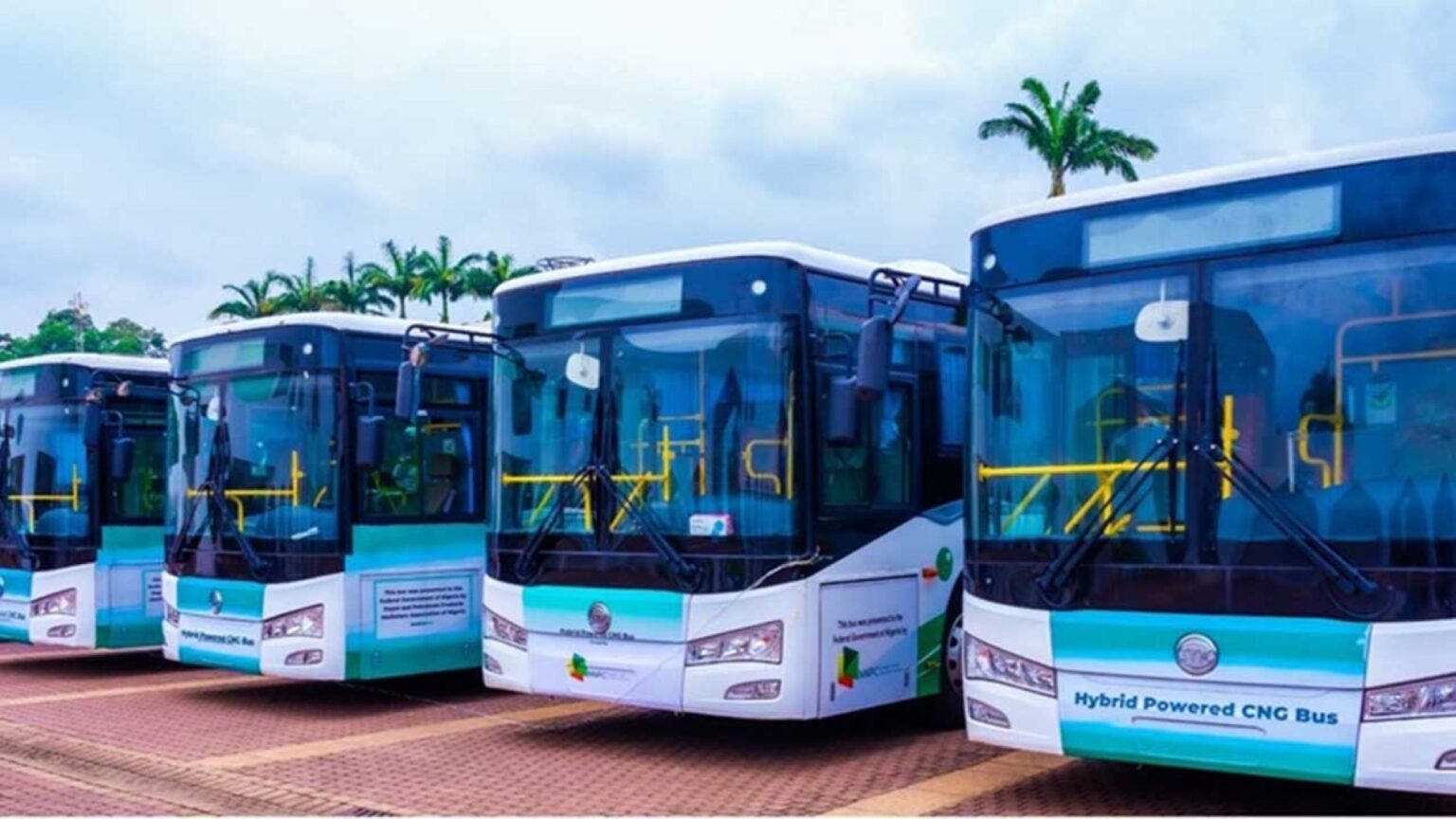
The Managing Director of Kaduna Line, Inuwa Ibrahim, said the state had an operational free public transport scheme, with about 60 CNG-powered buses deployed daily across designated routes within the Kaduna metropolis.
In Oyo State, residents and transport stakeholders also reported that fares had remained unchanged in the 24 hours preceding the checks.
Transport from the state Secretariat to the University of Ibadan remains N500 on commercial motorcycles and N300 by tricycle. From Mokola to Challenge, motorcycle fares range between N500 and N600, while a trip from Apata to Mokola remains N500. From Bashorun to New Bodija, commercial motorcyclists still charge N400 per passenger.
A public affairs analyst, Dayo Ogunbowale, said there had been no reduction in transport fares across the state.
“There is no reduction,” he said, corroborating the findings.
A resident, Fisayo Daramola, described reports of reduced fares as misleading, saying commuters were yet to experience any noticeable change.
Similarly, a union leader, Olalere Adetunji, said there had been no decrease in transport fares across Oyo State.
“There is nothing like a decrease in transport fare across Oyo State in the last 24 hours,” he said.
A student, Akintayo Abioye, also said he had not observed any reduction, while another resident, Andrew Ajaapofo, a businessman, said commuters were still paying the same rates.
“It is a deceit to say fare has reduced in Oyo,” he said.
In Abuja, commuters across the Federal Capital Territory and neighbouring suburbs also reported that transport fares remained high, with no noticeable reduction.
In satellite towns such as Bwari, fares to commercial centres including Berger and Wuse Market, which had risen from N1,300 to N1,800 in late September, remained unchanged. In Mararaba, a densely populated suburb bordering the FCT, commuters said fares continued to fluctuate depending on the time of day.
During rush hours, commercial drivers reportedly increase fares by N300 or more above the usual N1,500, with trips to the Federal Secretariat sometimes reaching N2,000.
A Mararaba resident, Elizabeth Tyesi, said she had yet to experience any reduction in fares.
“As at today, October 2, there is no noticeable reduction in fares because I spent about N10,000 on intercity transportation only, just coming into and going from the heart of the FCT. Nothing has changed on this axis,” she said.
The situation was similar in Lagos, where federal mass transit buses continued to charge N500 for trips between Mile 2 and Oshodi, while commercial yellow buses charged between N700 and N800.
On the Oshodi-Mile 12 route, federal mass buses continued to charge N400, while yellow buses demanded between N800 and N1,000. Fares for train services also remained unchanged.
The findings indicate that, as of October 2, commuters in the five locations had yet to see the anticipated reduction in transport fares, despite the Federal Government’s October 1 target.
Source: The Guardian