


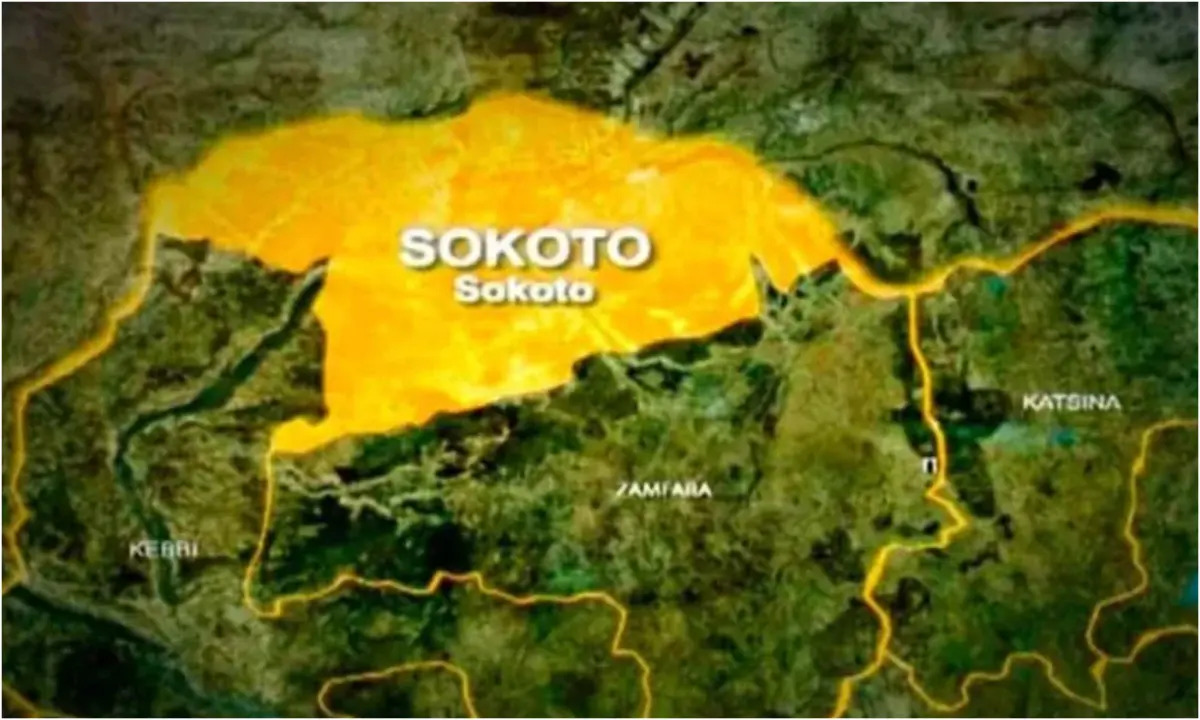
Meningitis Outbreak Claims 34 Lives, Infects 254 in Sokoto
At least 34 people have died, while 254 others have been infected following a meningitis outbreak across nine local government areas (LGAs) in Sokoto State.
The State Commissioner for Health, Faruk Abubakar-Wurno, confirmed the development on Wednesday, stating that the outbreak had spread across several communities, prompting an urgent response from the state government.
According to the commissioner, many of the victims died at home before receiving medical attention, as some residents initially believed the illness was caused by spiritual forces or mysterious circumstances. This misconception, he said, delayed timely treatment.
Abubakar-Wurno disclosed that isolation centres had been established in the Dogondaji and Kurawa communities located in Tambuwal and Sabon Birni LGAs. He added that all 201 patients treated at government-owned health facilities had been successfully discharged.
The affected LGAs include Dange-Shuni, Kebbe, Shagari, Tambuwal, Wamakko, Sabon Birni, Bodinga, Kware, and Gada, with varying levels of infection reported across the areas.
He further revealed that laboratory tests confirmed multiple cases of meningitis, indicating active transmission within the affected communities.
Explaining the nature of the disease, the commissioner described meningitis as a severe infection affecting the membranes surrounding the brain and spinal cord. He noted that the disease spreads through respiratory droplets, especially in overcrowded and poorly ventilated environments.
To curb the spread, the state government has intensified public awareness campaigns, encouraging residents to sleep in well-ventilated spaces and adopt preventive measures, particularly during the dry season when the risk of transmission is higher.
Abubakar-Wurno also stated that children between the ages of one and 15 years are the most affected demographic, while overcrowding and dry seasonal winds continue to worsen the outbreak.
He added that surveillance efforts had been strengthened across the state, with health workers deployed for monitoring, improved laboratory testing, and the distribution of essential medications aimed at containing the disease.