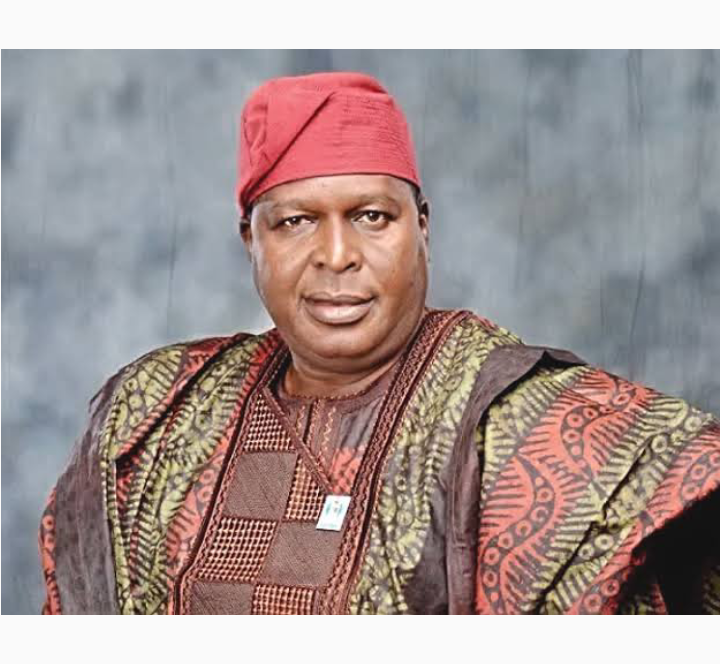

A Continental Honour, A Cultural Statement: World Crafts Council Honours Runsewe as ‘Icon of Crafts’ in Kuwait
By Shu’aibu Usman Leman
Recognition, when it comes at the right time and from the right quarters, does more than celebrate an individual; it validates an idea. The recent honour bestowed on Olusegun Runsewe by the World Crafts Council does exactly that.
Being named Icon of Crafts, Culture and Hospitality in Africa at the 2nd World Crafts Forum in Kuwait is not merely an award ceremony moment. It is a global acknowledgement of Africa’s enduring cultural relevance.
In an age where technology often overshadows tradition, such recognition reminds us that culture remains a powerful force in shaping identity, diplomacy, and economic opportunity.
Olusegun Runsewe’s journey in the creative and cultural space has been long, deliberate, and consistent. His work has never been about noise, but about impact.
Over the years, he has positioned African crafts not as souvenirs, but as symbols of history, skill, and pride—worthy of preservation and global appreciation.
This honour speaks to decades of advocacy for artisans whose stories are told through wood, clay, fabric, beads, and metal.
African handicrafts are more than decorative objects; they are living archives of civilisation. Protecting them is protecting memory.
Runsewe understood early that culture, when properly managed, is not a liability but an asset—capable of driving tourism, employment, and international goodwill.
For Nigeria, this recognition is particularly significant. It reinforces the country’s place in Africa’s cultural leadership and its contribution to the global creative economy.
At a time when nations are redefining power beyond military strength and natural resources, cultural capital has become a major currency.
The soft power of culture builds bridges where politics sometimes fails. It opens doors that diplomacy alone cannot.
As a journalist, I have observed how cultural narratives shape perception. Who we celebrate says a lot about who we are and what we value.
This award challenges us to ask hard questions about how seriously we treat our cultural institutions and practitioners at home.
Too often, artisans labour in obscurity while policy attention remains elsewhere. Recognition such as this should prompt renewed investment and support.
It should also inspire younger generations to see the creative industry as a viable and respected path, not a fallback option.
Africa’s future does not lie only in extraction and consumption, but also in creation and expression.
Runsewe’s recognition is a reminder that cultural leadership requires patience, vision, and belief in one’s heritage.
It is also a reminder that African stories, when told with confidence, resonate far beyond the continent.
This honour belongs not only to one man, but to countless African craftsmen and women whose hands keep tradition alive.
As Africa continues to engage the world, culture must remain at the centre of its conversation—and champions like Olusegun Runsewe show us why.
_Shu’aibu Usman Leman is a former National Secretary,
Nigeria Union of Journalists (NUJ)_
A Continental Honour, A Cultural Statement: World Crafts Council Honours Runsewe as ‘Icon of Crafts’ in Kuwait

Byadmin
Feb 8, 2026